

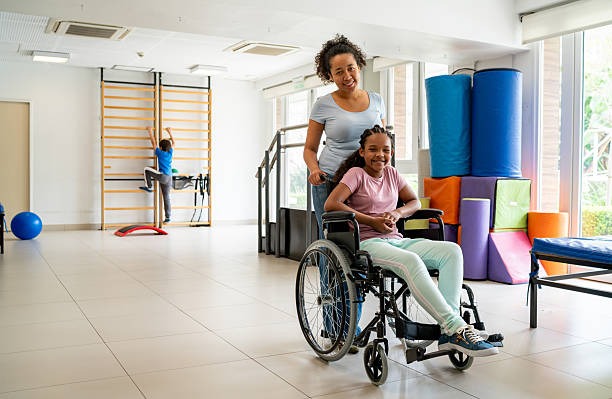
Physical challenges during childhood can affect how children explore, learn, and interact with the world. In the middle of early identification and planning, pediatric rehabilitation services work in coordination with a child physical therapist to support strength, balance, and overall mobility. This combined approach focuses on understanding each child’s unique needs while promoting steady progress. By addressing challenges with care and structure, families gain clarity and reassurance as children begin building essential physical skills.
Supporting Motor Skill Development
Motor skills play a key role in independence and participation. In the middle of targeted intervention, pediatric rehabilitation services guided by a child physical therapist focus on improving coordination, posture, and controlled movement. These efforts help children perform everyday actions more efficiently and safely. As motor skills develop, children often gain confidence in play and learning environments, which further supports cognitive and social growth.
Encouraging Independence Through Therapy
Independence is an important goal for many families seeking support. In the middle of functional training, pediatric rehabilitation services delivered alongside a child physical therapist emphasize practical skills such as walking, transitioning between positions, and maintaining balance. These functional abilities allow children to participate more actively in daily routines. With consistent practice, children begin to rely less on assistance and more on their growing capabilities.
Integrating Therapy Into Daily Life
Therapy is most effective when it extends beyond structured sessions. In the middle of home and community routines, pediatric rehabilitation services supported by a child physical therapist encourage families to integrate exercises into everyday activities. This approach helps children practice skills naturally while reducing stress. When therapy becomes part of daily life, progress feels more meaningful and sustainable for both children and caregivers.
Adapting Care as Children Grow
Children’s physical needs evolve as they develop and encounter new challenges. In the middle of ongoing assessment, pediatric rehabilitation services coordinated by a child physical therapist adapt goals and strategies to match changing abilities. This flexibility ensures that therapy remains relevant and engaging. Adjusting care over time supports continued progress and helps children meet new developmental demands with confidence.
Conclusion
Supporting physical development requires patience, expertise, and collaboration. In the middle of growth and change, pediatric rehabilitation services working with a child physical therapist provide structured guidance that promotes mobility, independence, and confidence. Through individualized care and family involvement, children are empowered to move forward and participate more fully in everyday life.




Leave feedback about this