

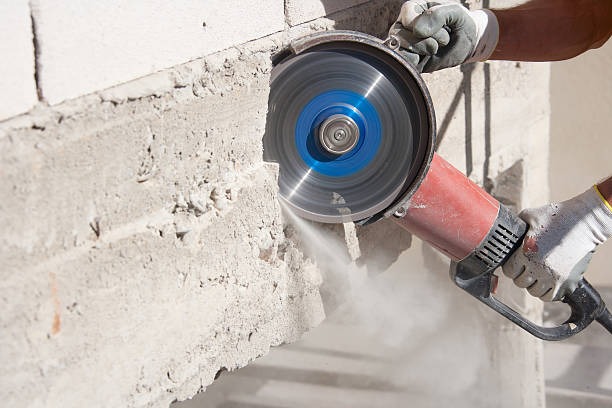
Concrete has become a central element in expressive architectural design. In the middle of creative development, concrete designs provide opportunities for unique textures and layouts, while a concrete cutter allows controlled shaping that turns creative concepts into structured reality. This integration supports both innovation and stability. Modern spaces benefit from concrete surfaces that combine artistic intention with dependable performance.
Controlled Execution and Clean Finishes
High-quality construction depends on precise execution. In the middle of detailed planning, concrete designs require accurate layout control, while a concrete cutter ensures smooth edges and exact cuts that preserve structural balance. Clean finishes improve both appearance and durability. Precision at this stage prevents flaws that could affect long-term performance and visual consistency.
Adaptability Across Diverse Applications
Concrete is used across residential, commercial, and industrial environments. In the middle of multi-purpose planning, concrete designs adapt easily to varied requirements, while a concrete cutter allows flexible on-site adjustments to suit different layouts. This adaptability supports creative freedom without limiting functional reliability. Concrete surfaces remain consistent regardless of scale or application.
Productivity and Project Control
Efficient execution is critical to project success. In the middle of productivity-focused strategies, concrete designs simplify layout coordination, while a concrete cutter accelerates progress by enabling fast and accurate modifications. Improved efficiency reduces downtime and labor strain. Controlled workflows help maintain momentum while ensuring quality standards are met throughout the project lifecycle.
Strength, Stability, and Maintenance
Concrete structures must remain reliable over time. In the middle of durability planning, concrete designs offer resistance to wear and environmental exposure, while a concrete cutter supports precise edge and joint creation that reduces future damage. These factors lower maintenance requirements and extend service life. Stable surfaces provide lasting value and dependable performance.
Conclusion
Modern construction thrives on the balance between design vision and execution accuracy. In the middle of advanced construction practices, concrete designs deliver aesthetic and functional versatility, while a concrete cutter ensures precision and control. This combination supports durable structures, efficient processes, and visually appealing results. Through thoughtful integration, concrete continues to serve as a reliable and adaptable material for contemporary building needs.




Leave feedback about this