

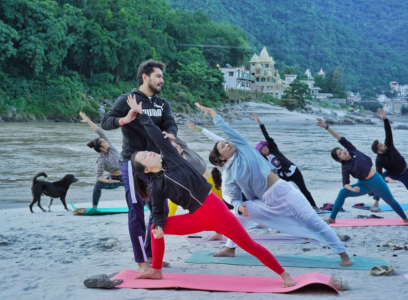
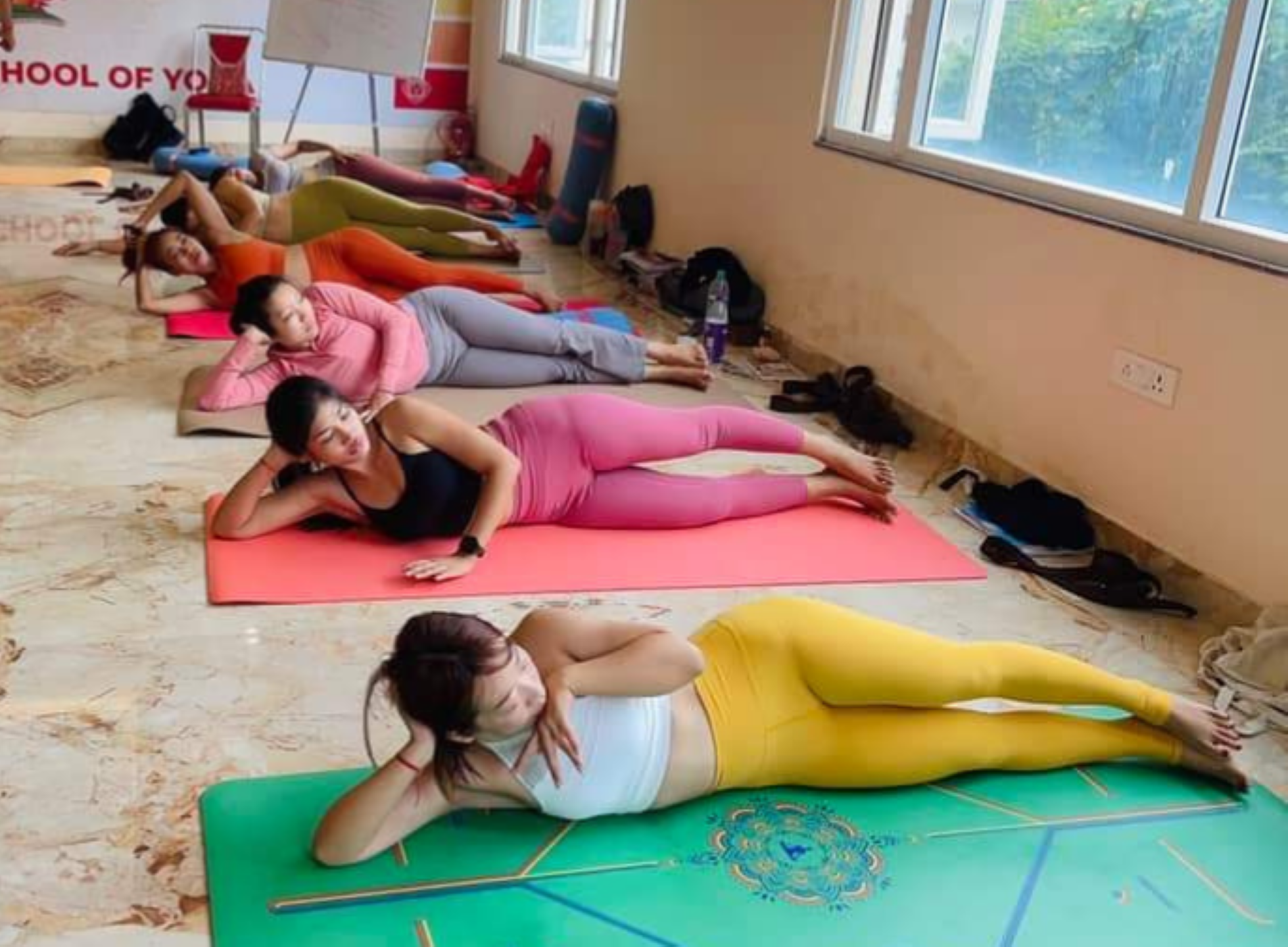

The rise of online learning has transformed many industries, and yoga is no exception. With virtual classes and live-streamed sessions becoming increasingly popular, aspiring yoga instructors often wonder: Can Yoga Teacher Training (YTT) prepare you to teach yoga online? The answer is a resounding yes. Modern YTT programs, whether a 100 Hour Yoga Teacher Training , 200 Hour Yoga Teacher Training, or 300 Hour Yoga Teacher Training, provide not only the skills to teach in-person but also the tools and confidence to succeed in virtual classrooms.
How YTT Prepares You for Online Teaching
Yoga teacher training programs are designed to develop a deep understanding of yoga practice, teaching methodology, and student engagement. Here’s how YTT specifically prepares you for teaching online:
1. Developing Strong Communication Skills
Online teaching relies heavily on clear verbal instructions and cues since you cannot always physically adjust your students. During 200-hour or 300-hour YTT programs, instructors emphasize:
-
Giving precise verbal cues for alignment.
-
Using imagery and descriptive language to guide students.
-
Maintaining a clear and engaging tone to keep students focused and motivated.
Even a 100-hour YTT introduces foundational teaching techniques, which are essential for online instruction.
2. Learning Sequencing and Class Planning
A well-structured class is critical online, where students cannot rely on close observation. YTT programs teach:
-
How to create balanced sequences for all levels.
-
How to pace classes for different skill levels.
-
How to plan themes and flow that are suitable for virtual environments.
This is particularly emphasized in 200 Hour Yoga Teacher Training and refined further in 300 Hour Yoga Teacher Training for advanced classes.
3. Understanding Anatomy and Safety
Teaching yoga online means you may not always be able to correct postures in person. YTT programs prepare you by teaching:
-
Anatomy and biomechanics so you can guide students safely.
-
Common modifications for injuries or limitations.
-
How to describe adjustments clearly without physical contact.
These skills are introduced in 100-hour programs and expanded in 200-hour and 300-hour programs.
4. Incorporating Technology and Digital Tools
Many modern YTT programs now include guidance on teaching online, such as:
-
Setting up a camera to demonstrate poses clearly.
-
Using proper lighting, angles, and background for virtual classes.
-
Leveraging online platforms, scheduling tools, and live streaming software.
Advanced programs like 300 Hour Yoga Teacher Training may even include workshops specifically on online class management and marketing.
5. Building Confidence and Professionalism
Teaching online can feel different from an in-person studio environment. YTT programs help build the confidence needed to:
-
Lead classes with authority and ease.
-
Engage and motivate students without physical presence.
-
Handle questions, corrections, and feedback virtually.
This confidence grows progressively from 100-hour YTT foundations to the advanced practice of 300-hour YTT.
Tips for Transitioning from YTT to Online Teaching
-
Practice Recording Yourself: Record practice classes to identify areas for improvement.
-
Engage Your Students: Use verbal cues, demonstrations, and interactive feedback to keep participants involved.
-
Use Online Platforms Effectively: Platforms like Zoom, YouTube Live, or specialized yoga apps can enhance your reach.
-
Start Small: Begin with shorter classes and gradually expand duration and complexity.
-
Continue Learning: Take online workshops and courses to refine your digital teaching skills.
Benefits of Combining YTT with Online Teaching
-
Flexibility: Teach from anywhere in the world.
-
Wider Reach: Connect with students beyond your local community.
-
Professional Growth: Develop new skills in virtual instruction, marketing, and tech-savviness.
-
Enhanced Learning: Even experienced teachers can learn to communicate and demonstrate more effectively.
Conclusion
Yoga Teacher Training—whether a 100 Hour Yoga Teacher Training, 200 Hour Yoga Teacher Training, or 300 Hour Yoga Teacher Training —provides a solid foundation to teach yoga both in studios and online. From refining communication skills and class sequencing to understanding anatomy and leveraging technology, YTT equips aspiring instructors to thrive in virtual classrooms. By combining your training with practice, digital tools, and confidence, you can successfully transition to teaching yoga online and reach students worldwide.
Features:
- Key Features of Yoga Teacher Training Programs
- 1. Structured Curriculum
- Detailed learning path for beginners to advanced practitioners.
- Covers asanas, pranayama, meditation, philosophy, anatomy, and teaching methodology.
- 2. Progressive Levels
- 100-Hour Yoga Teacher Training: Introductory, foundational knowledge.
- 200-Hour Yoga Teacher Training: Comprehensive, professional certification.
- 300-Hour Yoga Teacher Training: Advanced, specialized, and mentorship-focused.
- 3. Hands-On Practice
- Daily asana practice and alignment correction.
- Teaching practice sessions with peer feedback.
- Real-life class simulations to build confidence.
- 4. Yoga Philosophy & Lifestyle
- Study of ancient texts like the Yoga Sutras and the Bhagavad Gita.
- Principles of ethical teaching and yogic lifestyle.
- Integration of mindfulness and meditation into daily life.
- 5. Anatomy & Physiology Training
- Understanding human anatomy relevant to yoga.
- Injury prevention and safe practice techniques.
- Modifications for students of all levels and abilities.
- 6. Teaching Methodology
- Class sequencing and planning for different skill levels.
- Communication and verbal cueing techniques.
- Managing group dynamics and individual attention online and offline.
- 7. Meditation & Pranayama
- Learning breathwork techniques to enhance energy and focus.
- Guided meditation practices to promote mental clarity and mindfulness.
- Techniques applicable for both personal practice and teaching.
- 8. Assessment & Certification
- Evaluations include practical teaching, written exams, and class participation.
- Certification recognized by Yoga Alliance (for 200-hour and 300-hour programs).
- Qualification to teach professionally, online or in studios.
- 9. Online Teaching Preparation
- Guidance on conducting virtual classes.
- Technology tips for camera setup, lighting, and streaming.
- Building confidence to teach and engage students remotely.
- 10. Community & Support
- Connect with like-minded students and experienced instructors.
- Peer learning, mentorship, and ongoing support during and after training.
- Opportunities to join yoga communities and retreats worldwide.




Leave feedback about this