

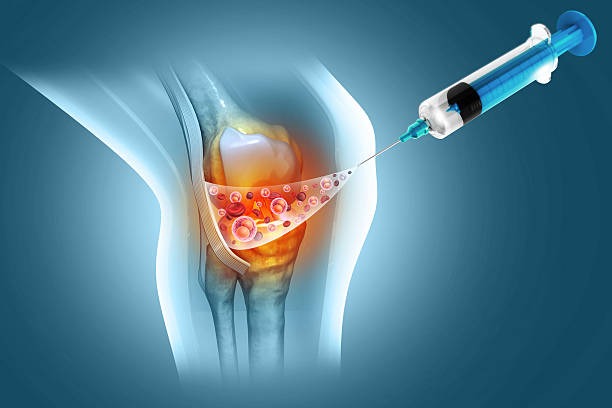
Recovering after a vehicle collision often requires more than rest and time. Many individuals experience lingering discomfort that affects mobility, concentration, and daily responsibilities. This is where auto accident pain clinics become essential, offering structured rehabilitation plans tailored to post-collision injuries. Across the state, pain management Michigan providers focus on delivering coordinated care that addresses both immediate symptoms and long-term wellness. From soft tissue strain to spinal misalignment, collision-related injuries can worsen without proper attention. Through detailed assessments and individualized therapy plans, these clinics aim to restore strength, flexibility, and function while reducing the risk of chronic complications.
Diagnostic Evaluation and pain management Michigan at auto accident pain clinics
The first step toward effective healing involves a thorough diagnostic process. At auto accident pain clinics, medical professionals assess musculoskeletal alignment, joint mobility, nerve response, and inflammation levels. Imaging and physical examinations help identify whiplash, herniated discs, or soft tissue damage that may not be immediately visible. Early evaluation ensures injuries are documented and treated promptly. Providers specializing in pain management Michigan emphasize identifying the underlying source of discomfort rather than masking symptoms. By combining clinical expertise with advanced diagnostic tools, treatment plans are structured to support gradual and measurable recovery for accident-related conditions.
Personalized Therapy Plans Through pain management Michigan at auto accident pain clinics
No two accident injuries are identical, which is why customized care plans are critical. Auto accident pain clinics design therapy programs based on injury severity, physical condition, and recovery goals. These programs may include therapeutic exercise, guided stretching, mobility work, and non-invasive interventions. Professionals practicing pain management Michigan integrate multiple approaches to encourage healing and prevent recurring discomfort. Patients benefit from structured sessions that focus on improving posture, strengthening supportive muscles, and restoring range of motion. Personalized care ensures that rehabilitation aligns with each individual’s functional needs while minimizing long-term complications.
Rehabilitation Techniques in pain management Michigan at auto accident pain clinics
Rehabilitation following a collision often requires consistent and supervised therapy. Auto accident pain clinics provide structured sessions aimed at stabilizing injured areas and rebuilding physical endurance. Techniques may include spinal adjustments, therapeutic modalities, and muscle reconditioning exercises. Within pain management Michigan programs, emphasis is placed on progressive recovery, allowing tissues to heal safely without overexertion. Controlled rehabilitation supports improved circulation and reduces inflammation, which are critical for soft tissue injuries. As strength and coordination improve, patients often regain confidence in daily movements and return gradually to regular activities.
Long-Term Recovery with pain management Michigan at auto accident pain clinics
Some collision-related injuries may not present severe symptoms immediately but can evolve into chronic pain if untreated. Auto accident pain clinics monitor progress closely to detect delayed complications. Continuous evaluations help refine therapy plans and address lingering inflammation or stiffness. Providers offering pain management Michigan services focus on maintaining improvements beyond initial recovery stages. Preventive education plays a major role, guiding patients on posture correction, ergonomic adjustments, and safe movement practices. Long-term care strategies aim to reduce recurrence risk and promote sustainable musculoskeletal stability after a traumatic event.
Coordinated Care Approach in pain management Michigan at auto accident pain clinics
Comprehensive healing often involves collaboration among therapists, rehabilitation specialists, and support staff. Auto accident pain clinics coordinate multidisciplinary care to ensure all aspects of injury recovery are addressed. Through pain management Michigan programs, patients may receive combined therapies that support spinal alignment, joint function, and muscular balance. Communication between professionals enhances treatment efficiency and ensures consistent monitoring. This integrated model not only accelerates physical improvement but also provides reassurance and structured guidance throughout the recovery journey. Consistent follow-up strengthens outcomes and helps individuals regain independence with reduced discomfort.
Conclusion
Vehicle collisions can create complex injuries that demand specialized and structured care. Auto accident pain clinics provide targeted support through comprehensive evaluations, personalized therapy plans, and progressive rehabilitation programs. With a strong focus on pain management Michigan strategies, these facilities aim to restore mobility, reduce inflammation, and prevent chronic complications. Through coordinated care and ongoing monitoring, patients receive the tools necessary for lasting recovery. Timely intervention and consistent therapy can transform post-accident discomfort into manageable, improving strength and overall well-being.



Leave feedback about this