

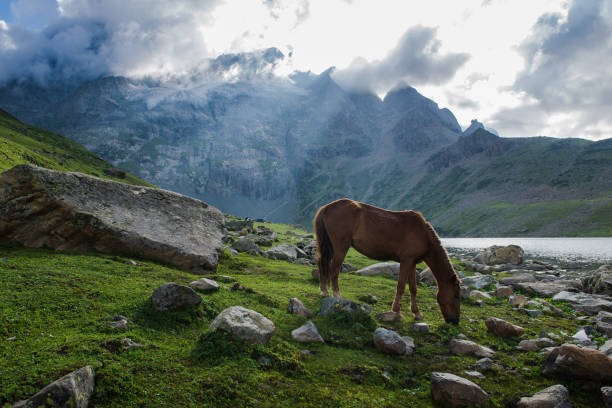
Healthy ecosystems rely on areas where natural cycles remain largely undisturbed. In the middle of global environmental concern, wilderness represents these vital refuges, while eco activism seeks to defend them from degradation. Such areas support complex food webs, climate regulation, and genetic diversity. Their protection is essential not only for ecological reasons but also for maintaining planetary resilience. Recognizing their value encourages a shift away from exploitative models toward stewardship rooted in respect and long-term thinking.
Social Awareness and Environmental Ethics
Public understanding of environmental issues has expanded significantly in recent decades. In the middle of this awareness, wilderness often becomes a moral reference point, while eco activism translates ethical concern into organized response. Discussions about responsibility, interdependence, and sustainability shape how societies evaluate progress. Environmental ethics challenge the idea that economic growth must come at the expense of nature, encouraging alternative visions that prioritize balance and collective well-being.
Mobilization and Public Participation
Active participation strengthens environmental protection efforts. In the middle of mobilization, wilderness conservation serves as a unifying cause, while eco activism provides platforms for engagement such as campaigns, demonstrations, and educational outreach. Public participation amplifies marginalized voices and increases accountability. These collective actions show that environmental stewardship is not limited to experts but is accessible to anyone willing to engage, learn, and advocate for responsible practices.
Innovation and Sustainable Alternatives
Innovation plays an important role in reducing pressure on natural systems. In the middle of sustainable development efforts, wilderness protection benefits from eco activism that promotes alternative technologies and practices. Renewable energy, sustainable agriculture, and responsible tourism reduce the need for destructive exploitation. Innovation aligned with environmental values demonstrates that progress and preservation can coexist when guided by thoughtful design and ethical priorities.
Global Cooperation and Shared Goals
Environmental challenges often transcend national boundaries. In the middle of international dialogue, wilderness preservation becomes a shared objective, while eco activism connects movements across regions and cultures. Global cooperation allows knowledge exchange, coordinated protection efforts, and unified standards. Shared goals strengthen resilience by acknowledging that environmental protection is a collective endeavor requiring solidarity, trust, and long-term commitment beyond political or geographic divisions.
Conclusion
Sustaining natural systems demands collaboration, awareness, and persistence. In the middle of environmental responsibility, wilderness embodies the need for protection, while eco activism drives action and reform. By fostering ethical awareness, encouraging participation, and supporting sustainable innovation, societies can protect ecological integrity. This integrated approach ensures that stewardship remains an active, evolving practice supporting both nature and humanity.




Leave feedback about this