
The modern video editor often faces a time-consuming battle against long-form content, particularly multi-camera interviews and podcasts. Pre-editing tasks like syncing footage, removing silences, and making initial camera cuts can consume five to twelve hours before the creative work even starts. This is why AI podcast editing software is now essential for streamlining the workflow and delivering faster results.
Automated tools like Autopod and Selects aim to offload redundant tasks, offering a quicker path to a prepared timeline within a Non-Linear Editor (NLE). The goal is to reduce turnaround times dramatically, allowing editors more flexibility to focus on the nuanced storytelling and final creative touches that only a human can provide.
Evaluating Multicam Automation Tools
AI technology is exceptionally good at handling repetitive work, making it perfect for automating the cleanup of multi-camera podcast footage. In a typical session, multiple cameras run nonstop, requiring manual decisions on when to switch between the host, guest, or a wide shot. The best autopod multicam alternatives must efficiently handle this complexity.
Autopod operates directly inside Premiere Pro, offering a one-click solution for building multicam timelines and switching cameras automatically. While this is fast, it limits users who prefer other NLEs and doesn’t offer initial prep features like transcription. Descript also provides multicam switching, though its features are described as basic and less suited for complex timelines.
Selects: A Complete Prep Assistant for Multicam
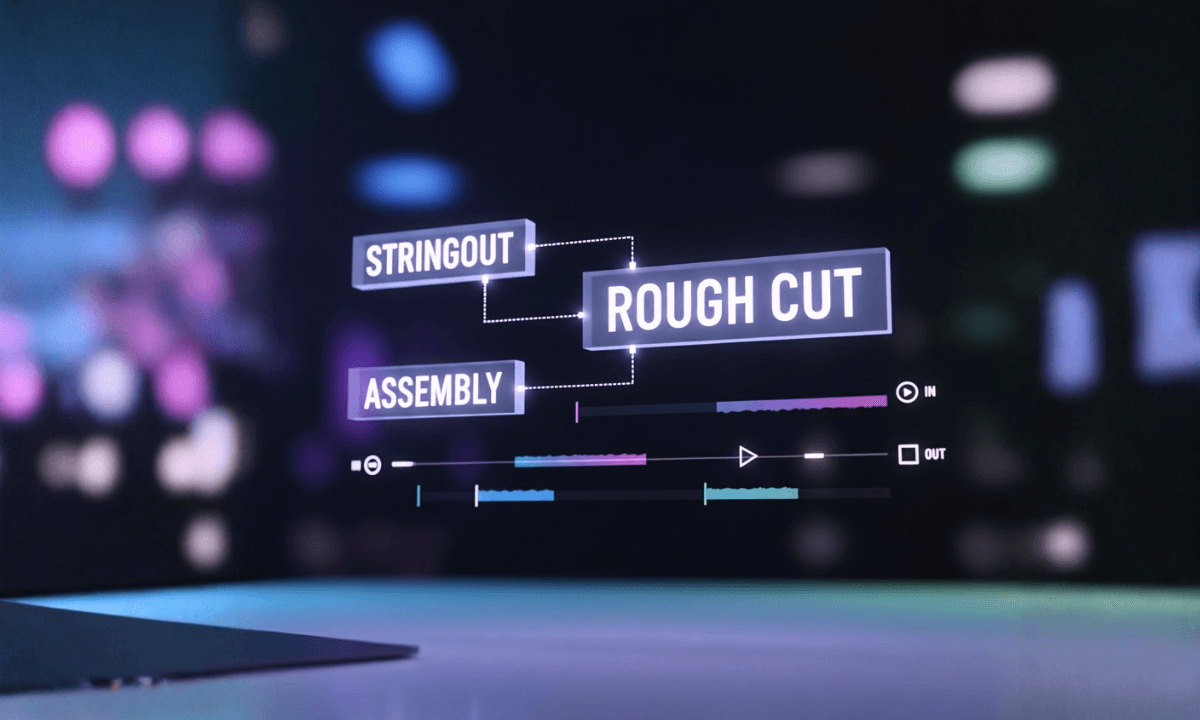
Selects stands out by tackling the entire front end of the long-form editing process before the footage reaches the NLE. It handles multicam sync, speaker detection, and camera switching based on the active speaker, producing a clean stringout. This approach ensures a non-destructive workflow where the prepared timeline slots neatly into Premiere Pro, DaVinci Resolve, or Final Cut Pro.
Selects provides crucial preparation features, including precise silence removal and automatic chaptering, tasks that Autopod does not perform. Since every edit action in Selects is anchored to transcripts instead of waveforms, locating and utilizing specific clips from long recordings is highly efficient. This helps editors save significant time before they even start their creative cutting.
Autopod’s Strengths in the Multicam Workflow
Autopod’s primary advantage lies in its seamless integration and speed for editors already committed to Adobe Premiere Pro. Its ability to handle up to ten cameras and microphones with a single click makes it a strong choice for fast, simple interview layouts. This one-machine, license-only tool is built for those prioritizing instant multicam setup within the NLE.
However, Autopod does have limitations when compared to other available tools in the market. Its reliance on multiple audio and video tracks means it cannot be used for content with only one speaker or camera. It also completely lacks transcription or keyword clip search features, which are vital for content repurposing and detailed preparation.
The Importance of NLE Handoff in Multicam Editing
For professional editors, how an AI tool hands off its work to the NLE is critical to maintaining creative control and workflow integrity. Autopod delivers its prepared timeline directly into Premiere Pro, which is efficient but highly restrictive. This approach forces editors to stay within a single software environment for their AI preparation.
Selects, conversely, supports handoff to Premiere Pro, Final Cut Pro, and DaVinci Resolve, preserving the multicam context in the NLE. This flexibility is a significant benefit for studios or agencies that may use different editing software across various projects. The prepared timeline minimizes chaos, allowing the editor to focus purely on the final cut.
Addressing the Need for an Autopod Captions Alternative
Automatic captioning is a critical feature for accessibility and social media repurposing of podcast content. The lack of this feature in some AI tools creates another cleanup step for the editor. Thankfully, the market offers strong autopod captions alternative options that integrate this function into the initial editing phase.
Both Descript and Riverside include built-in features to add captions and subtitles directly to the video, saving the editor time in the NLE. While Selects is focused on prep and does not currently offer captioning, Autopod, like Selects, also lacks this built-in capability, which necessitates external steps or tools for editors focused on social media output.
Descript’s Text-Based Editing and Captions
Descript excels at text-based editing, allowing creators to cut video simply by editing the transcript, making it highly intuitive for structured edits. This platform also easily supports the quick addition of on-screen elements, including captions, visuals, and other graphic overlays. It is a powerful tool for solo creators or those prioritizing a script-first workflow.
Descript’s AI features, such as automatic filler word detection and retake removal, further speed up the editing process. Although it utilizes an AI credit system, which can limit automation, its native support for captions is a major advantage over tools that focus purely on multicam cutting. It is a strong, all-in-one alternative for caption generation.
Riverside’s Integrated Captions for Remote Interviews
Riverside is primarily known for capturing high-quality remote interviews with local files, but it also offers light cleanup tools and transcript-based editing. This browser-based tool includes integrated caption support, allowing users to add subtitles quickly alongside basic editing functions like silence and filler word removal.
However, Riverside has limitations regarding complex multicam setups, and its usage is restricted by a monthly limit of fifteen hours of audio and video unless a Business plan is purchased. Despite the AI credit system and the need to upload external footage, its text-based editing and direct caption features make it a viable alternative for many creators.
Considering AI Credit Systems and Unlimited Automation
When assessing AI editing software, the presence of an AI credit system is a significant consideration for high-volume users. Both Descript and Riverside operate on monthly credits, meaning editors may have to purchase more if they run out during a busy production cycle. This can complicate the budgeting process for studios and agencies.
Selects offers unlimited AI processing without credit caps, allowing heavy users to automate their prep tasks without fear of running out of credits. While Autopod also does not use a credit system, its license is limited to a single machine. The choice between unlimited automation and credit-capped features depends heavily on an editor’s total monthly workload.
Conclusion
The choice of AI editing tool depends entirely on an editor’s primary workflow and the specific bottlenecks they face in long-form production. Selects provides the most comprehensive preparation suite for multicamera podcasts, reducing setup time by up to ninety percent. It is the best fit for professional studios needing a clean, organized timeline for any major NLE.
For editors fully committed to Premiere Pro, Autopod delivers the fastest one-click multicam solution directly within their preferred NLE environment. Meanwhile, tools like Descript and Riverside are excellent for script-first editing and are top choices if integrated captioning is an absolute necessity. Ultimately, selecting the right tool maximizes creative time by minimizing redundant technical work.


Leave feedback about this