

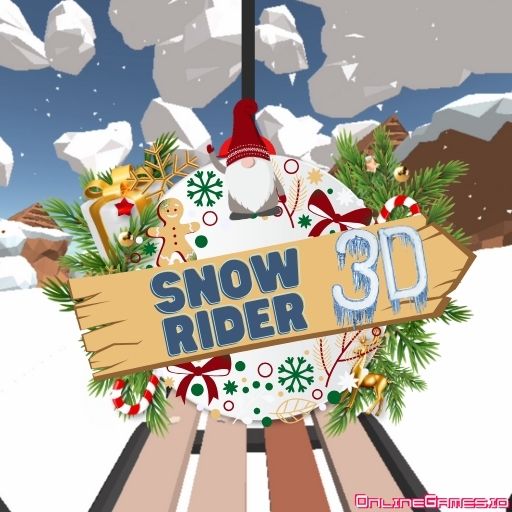
If you’ve spent time with Snow Rider , you’ve likely realized it’s tougher than it first appears. At first glance, it seems like a simple winter sledding game: glide down the snowy slope and dodge a few hazards. But as your speed climbs, the challenge sharpens into a brutal test of focus, precision, and split-second decision-making. The real roadblock isn’t just the obstacles—it’s anticipating them early enough to survive and rack up a high score.
One of the most crucial steps to improving in Snow Rider is understanding the obstacles you’ll face. The game throws pine trees, rocks, broken tracks, sharp turns, and narrow bridges at you in rapid succession, keeping you under pressure. Pine clusters force careful steering through tight gaps. Large rocks test your reaction time and require smooth direction changes without overcorrecting. Gaps and broken sections demand precise jump timing, while sharp turns become deadly at high speeds. Narrow bridges demand steady control; even a small misstep can end a run. Recognizing these threats early gives you the time to plan your move rather than react in a panic.
Speed management is another critical factor when tackling obstacles in Snow Rider. While speeding up can boost your score and boost excitement, it also shrinks your reaction window and makes steering harder. Many seasoned players advocate easing off the throttle when entering crowded sections and accelerating only when the path is wide and clear. Treat speed as a strategic tool rather than a constant pressure, and you’ll gain smoother turns, safer jumps, and more precise adjustments between hazards.
A common mistake beginners make is focusing only on what’s directly in front of the sled. In reality, successful players look further ahead on the track. By scanning the course in advance, you can anticipate upcoming hazards and begin adjusting your path early. This proactive approach feels smoother than last-second maneuvers and significantly reduces crashes. Looking ahead also helps you identify safer routes through obstacle clusters, letting you glide through difficult sections with confidence instead of panic.
Steering technique plays a huge role in obstacle avoidance as well. Sudden, aggressive turns often lead to a loss of control, especially at high speed. Smooth, controlled movements trump harsh corrections. When navigating between trees or rocks, small adjustments keep the sled stable and prevent overcompensation. Many long-time players describe Snow Rider as a balance game rather than a speed race, where stability matters more than flashy tricks. Cultivating a calm, steady steering style will help you survive longer runs.
Jump timing is equally important, especially for gaps and broken paths. Jumping too early leaves you short; jumping too late leaves no room to clear the distance. The safest approach is to jump just before reaching the edge, maximizing distance while staying in control on landing. Staying calm during these moments is essential—panic often leads to mistimed jumps. With practice, you’ll develop an instinct for when to jump, making obstacles feel far less intimidating.
Positioning on the track also affects your reaction to sudden hazards. Staying near the center gives you flexibility to move left or right as needed, while hugging the edges limits your options. Central positioning acts as a defensive strategy, allowing quick adaptation when surprises appear. Over time, you’ll notice that maintaining balanced positioning reduces emergency maneuvers and keeps you in the flow of the run.
As you gain experience, you’ll start spotting patterns in how obstacles appear. While the game feels random, certain combinations repeat. Learning these patterns lets your brain predict what’s coming next, turning obstacle avoidance into a more instinctive process. That’s when the gameplay becomes smoother and less stressful, as reactions become automatic rather than forced.
Staying calm under pressure is perhaps the most underrated skill in Snow Rider. As the pace increases, obstacles come closer together, creating urgency that can provoke panic. But panic usually leads to oversteering and mistakes. Remaining composed helps you maintain control and make smarter decisions. Many players find that focusing on survival rather than chasing points yields better results and longer runs.
In short, overcoming obstacles in Snow Rider requires a blend of observation, control, timing, and composure. By recognizing hazards early, managing speed strategically, steering smoothly, and staying calm during intense moments, you can significantly elevate your gameplay. What starts as a simple sledding game gradually becomes a rewarding test of skill and concentration. Snow Rider rewards patience and persistence, making every successful run feel earned and memorable.
Location
Related Ads




Leave feedback about this